The short answer
Most denied cargo claims come down to the policy, not bad luck: an excluded commodity, an unattended-vehicle or theft condition, reefer breakdown not covered, a limit too low for the load, or missing paperwork. Read your cargo form against the freight you actually haul before a claim, not after.
A cargo claim is usually the first time a trucker reads their motor truck cargo policy closely, and often the first time they learn what it doesn't cover. Cargo coverage is full of conditions and exclusions, and they vary a lot from one insurer to the next. This article walks through the most common reasons cargo claims get denied, how to spot those gaps in your own policy and what to do if a claim is already in trouble. We're not going to tell you the insurer is always wrong or always right. Sometimes a denial is correct under the policy as written; the fix is buying a policy that matches your freight. Sometimes a denial deserves a second look. Either way, understanding the language is your best protection.
How motor truck cargo insurance works
Motor truck cargo covers the freight in your care while you're hauling it, up to the policy limit, for the causes of loss the policy names (a "named perils" form) or for all causes not excluded (a "broad" or "all risk" form). Brokers commonly ask for $100,000 in cargo coverage, though some loads require more. The key idea: a cargo policy is a list of promises with a list of exceptions. A claim gets paid when the loss fits the promise and dodges every exception.
The 9 most common reasons cargo claims get denied
1. The commodity is excluded or not scheduled
Many cargo policies exclude certain commodities or only cover the commodities listed on your application. Electronics, alcohol, tobacco, pharmaceuticals, jewelry, live animals, and high-value metals are frequent exclusions or require special approval. If you told your agent "general freight" and you hauled a load of televisions, you may have a problem. What to do: Get the exact commodity list from your policy, not your memory. Compare it against your last three months of rate confirmations.
2. Unattended vehicle and theft conditions
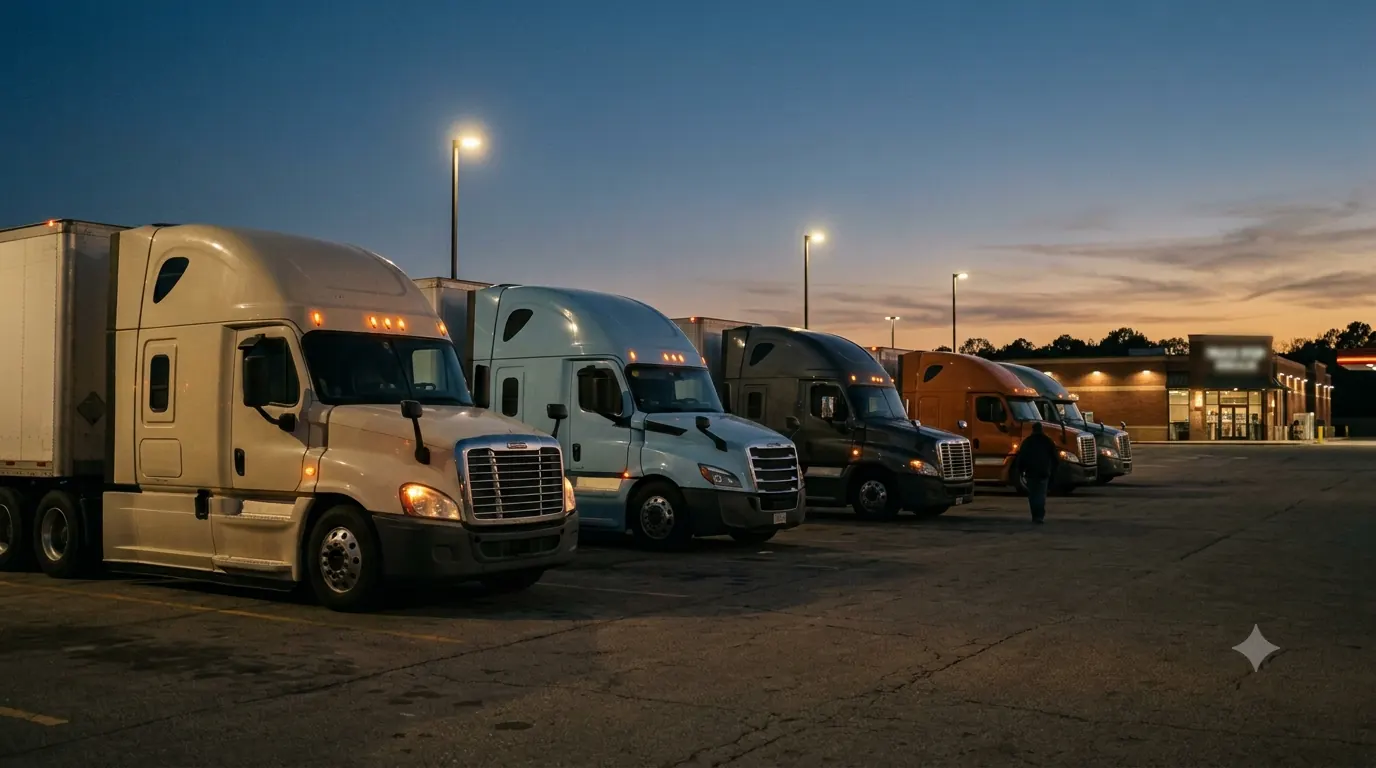
Theft is one of the most common cargo losses, and many policies attach conditions: the truck must be locked, attended or parked in a secured lot; the trailer must have a kingpin or glad-hand lock; theft from an unattended vehicle overnight may be excluded. Some policies limit how long a loaded trailer can sit unattended. What to do: Know where you're allowed to park a loaded trailer under your policy. If your lanes require overnight stops, choose a policy whose theft terms fit.
3. Reefer breakdown isn't covered
Spoiled refrigerated freight is a classic denial. Standard cargo policies often exclude spoilage from temperature change unless you buy reefer breakdown coverage. Even with it, insurers commonly require the unit to have been maintained, the temperature set correctly per the bill of lading, and records (like download reports) available. What to do: If you haul reefer, confirm reefer breakdown is on the policy, check its deductible and keep maintenance records and temperature downloads for every load.
4. The load was worth more than your limit
A $100,000 cargo limit doesn't help much on a $250,000 load. You'll be paid up to the limit, minus the deductible, and you may be responsible for the rest under your contract. Some policies also have a per-vehicle limit lower than the per-occurrence limit. What to do: Ask the broker for the declared value before you accept a high-value load, and ask your agent whether you can raise the limit for that trip.
5. The loss cause isn't a covered peril
On a named-perils policy, only listed causes are covered: typically fire, collision, overturn, theft and a few others. Damage from improper loading, shifting, wetness or a leaking trailer roof may not be on the list. What to do: Know whether your form is named perils or broad form. Broad form costs more but covers more causes of loss.
6. Improper loading, securement or packaging
Insurers often exclude damage from inadequate packaging or loading done by the shipper. That can be fair; it's not your fault, but it's also not your insurer's. Securement failures you're responsible for (such as flatbed straps) are a different matter and can lead to disputes. What to do: On flatbed loads, follow FMCSA cargo securement rules and photograph your securement before you roll. On dry van loads, note "shipper load and count" on the BOL when you can't inspect the freight.
7. Late notice or missing paperwork
Most policies require prompt notice of a loss. Cargo claims also need documents: the bill of lading, the delivery receipt with exceptions noted, the invoice or proof of value, photos, and a police report for theft. Missing pieces slow or sink claims. What to do: Report every possible cargo loss the day you discover it, and note damage on the delivery receipt before the consignee signs.
8. Driver or equipment not on the policy
If the driver wasn't listed or the tractor or trailer wasn't scheduled, the insurer may contest coverage. Some cargo policies are tied to scheduled units. What to do: Update your agent every time you add a driver or a unit, and get written confirmation.
9. Contractual liability the policy doesn't assume
Broker agreements sometimes make you liable for more than the law would, such as full invoice value, consequential damages or delay penalties. Your cargo policy covers your legal liability as a carrier, which may be less than what you agreed to in a contract. What to do: Read the cargo section of every broker agreement. If it asks for more than your policy provides, negotiate it or ask your agent whether coverage can be extended.
A quick self-audit of your cargo coverage
| Question | Where to find the answer |
|---|---|
| What's my per-occurrence cargo limit, and is there a per-vehicle limit? | Declarations page |
| Is the form named perils or broad form? | Coverage form |
| Which commodities are excluded? | Exclusions and endorsements |
| Do I have reefer breakdown, and what's its deductible? | Endorsements |
| What are the theft and unattended vehicle conditions? | Conditions section |
| Which drivers and units are scheduled? | Schedules |
If you can't answer any of these in under a minute, call your agent and ask for the answers in writing. Our guide on how to read a truck insurance quote shows where each item lives.
What to do if your cargo claim is denied
- Ask for the denial in writing, with the specific policy language the insurer is relying on.
- Compare that language to your policy and the facts of the loss. Sometimes a denial is based on a misunderstanding about where the truck was or what was hauled.
- Send any missing documentation promptly with a written request for reconsideration.
- Ask your agent to advocate. A good agent can escalate within the insurer and explain your operation.
- Know your options. If you believe the denial is wrong, you can contact your state's department of insurance or speak to an attorney who handles insurance disputes.
Choosing a cargo policy that won't let you down
The time to fix a cargo gap is before the next load. When you shop cargo coverage, give your agent your real commodity list, your typical and maximum load values, your parking habits and whether you haul reefer. Ask them to point to the exclusions that matter most to your operation. A slightly higher premium on a policy that fits is cheaper than a denied claim on one that doesn't. Read red flags in a truck insurance quote for more on what to watch for.
Questions truckers ask
Why was my cargo claim denied?
The most common reasons are an excluded commodity, theft or unattended-vehicle conditions, spoilage without reefer breakdown coverage, a load worth more than the limit, an uncovered cause of loss, or missing documents.
Does cargo insurance cover reefer breakdown?
Not automatically. Many policies require a reefer breakdown endorsement, and insurers often ask for maintenance records and temperature downloads when you claim.
How much cargo insurance do brokers require?
$100,000 is a common requirement. Some high-value loads require more, so check the broker agreement before accepting.
What is the difference between named perils and broad form cargo?
Named perils covers only the causes of loss listed in the policy. Broad form covers all causes of loss except those excluded, so it usually covers more.
Can I appeal a denied cargo claim?
Yes. Ask for the denial in writing with the policy language, provide any missing documents, ask your agent to advocate, and contact your state insurance department if needed.
Written by the FairlyCover Editorial Team. This guide explains how coverage generally works. It isn't legal or insurance advice, and your policy wording always decides what's covered. How we write and review content.