The short answer
Semi truck insurance for for-hire carriers usually combines primary liability ($1,000,000 for most brokers), motor truck cargo ($100,000 is common), physical damage on the tractor and trailer, and often general liability and trailer interchange. Your price depends on your record, authority age, freight, radius and equipment.
Who this page is for
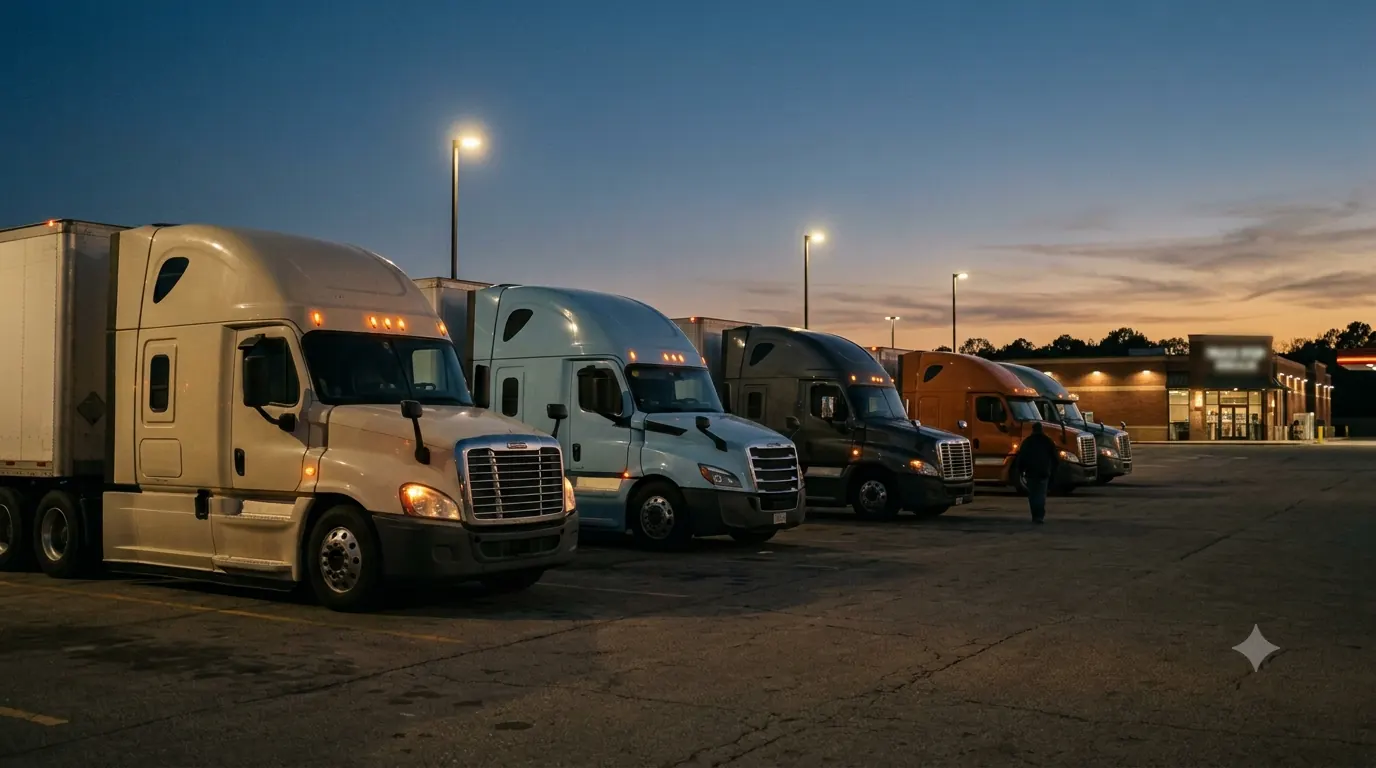
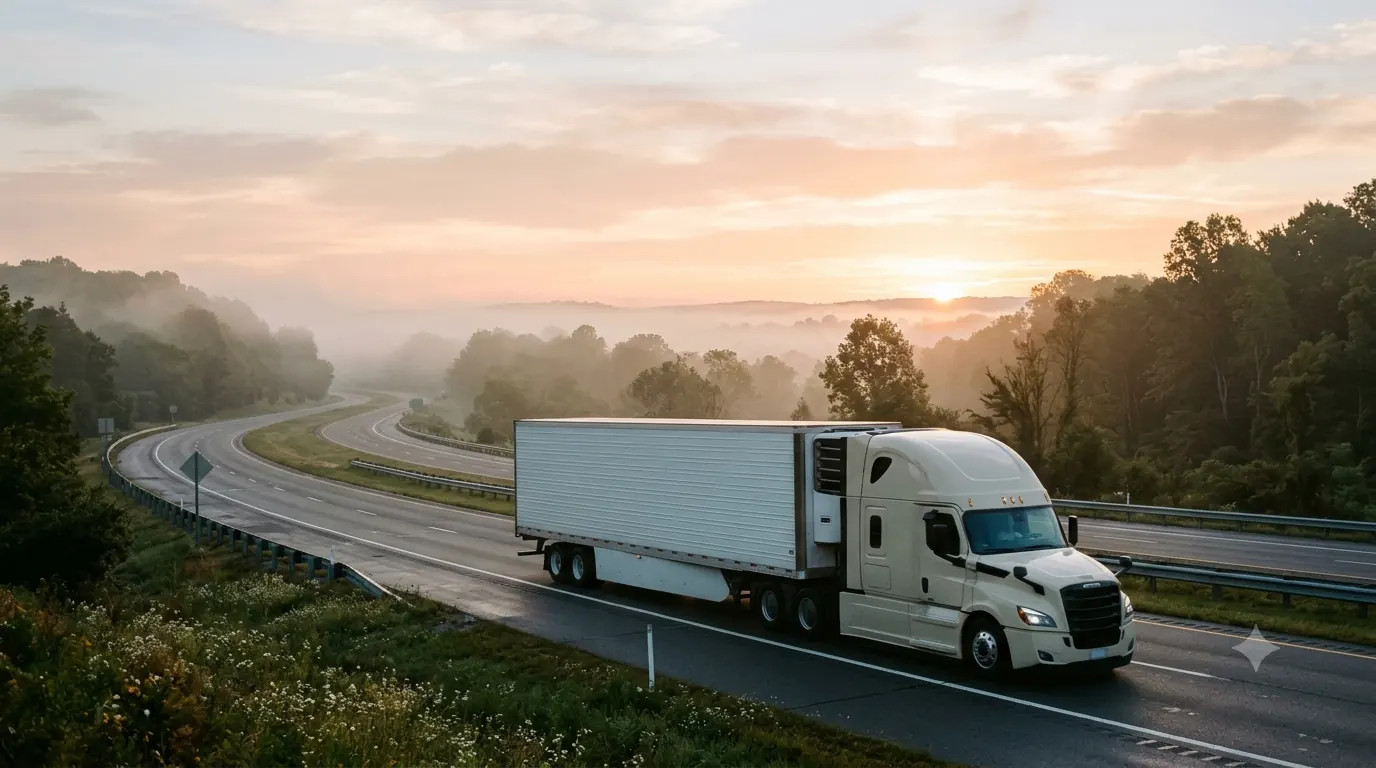
Owner-operators and small fleets running Class 8 tractors with dry van, reefer, flatbed, tanker or other trailers, under their own authority or leased on. Semi trucks are the most common rig on the road, so there are more insurers in this market than for many specialty trucks, but long-haul miles, high values and heavy weights still make it one of the more carefully underwritten classes.
Coverage most operators need
| Coverage | Why semi operators need it |
|---|---|
| Primary liability | Required by law; brokers want $1,000,000 |
| Motor truck cargo | Brokers commonly require $100,000 |
| Physical damage | Protects the tractor and owned trailers |
| Trailer interchange | For pulling others' trailers under agreement |
| General liability | Often required by shippers |
| Non-trucking liability | If you're leased on |
By trailer type
| Trailer | Coverage to pay attention to |
|---|---|
| Dry van | Cargo theft conditions, commodity exclusions |
| Reefer | Reefer breakdown endorsement and its deductible |
| Flatbed | Securement, load shifts, tarping, oversize permits |
| Tanker | Hazmat limits up to $5,000,000 where required |
Limits brokers and shippers commonly ask for
Typical contract requirements. Your broker agreements decide the real numbers.
Risks underwriters look at
- Long-haul miles and the states you run
- Commodity and load values
- Driver experience and MVRs
- Years in business and loss runs
- Equipment age and value
- Inspection history and out-of-service rates
How to get a better quote
- Describe your radius and states accurately; if most of your miles are regional, say so
- Keep stated values current on the tractor and each trailer
- List every commodity you actually haul so cargo exclusions don't surprise you
- Start your renewal 60 days early (renewal checklist)
- Compare quotes line by line (how to read a quote)
- Watch for red flags in a quote
Related reading
Questions truckers ask
How much is semi truck insurance?
It depends on your record, authority age, freight, radius and equipment. Compare quotes with matching limits and deductibles.
What insurance does a semi truck need?
Primary liability by law, plus cargo and physical damage in most cases. General liability and trailer interchange depending on contracts.
Does reefer freight need special coverage?
Yes. Add reefer breakdown to cover spoilage from temperature-control failure.
Why is semi truck insurance expensive?
Heavy vehicles, long miles and high equipment values create large potential claims, especially on the liability side.
Written by the FairlyCover Editorial Team. This guide explains how coverage generally works. It isn't legal or insurance advice, and your policy wording always decides what's covered. How we write and review content.